Introduction
In today’s digital age, consumers face endless choices—online, offline, and across global markets. While this offers convenience, it also increases the risk of fraud, misleading advertisements, fake products, and unethical business practices.
Becoming an “Informed Consumer” is not just a skill—it’s your shield against exploitation. Knowing your rights, responsibilities, and available protections empowers you to make better financial decisions, avoid scams, and demand accountability.
What Does Being an Informed Consumer Mean?
An informed consumer: ✅ Makes purchasing decisions based on facts, quality, and need
✅ Understands their legal rights
✅ Reads terms, warranty, and return policies
✅ Stays aware of frauds and market malpractices
✅ Knows how and where to lodge complaints
✅ Consumer Rights Every Indian Must Know (Under The Consumer Protection Act, 2019)
| Consumer Right | Meaning |
|---|---|
| 1️⃣ Right to Safety | Protection against unsafe goods/services that may harm health or life |
| 2️⃣ Right to Information | Complete details about quality, quantity, price, ingredients, and usage |
| 3️⃣ Right to Choose | Access to a variety of goods and services at competitive prices |
| 4️⃣ Right to be Heard | Voice grievances and have them addressed quickly |
| 5️⃣ Right to Redressal | Seek compensation against unfair trade practices or exploitation |
| 6️⃣ Right to Consumer Education | Access information about rights, laws, and skills to become an informed consumer |
| 7️⃣ Right to Fair Digital Transactions (New) | Protects against unfair digital marketing, fake reviews, or manipulated search results |
✅ Government Initiatives and Schemes for Consumer Protection
| Scheme/Platform | Purpose/Benefits |
|---|---|
| Jago Grahak Jago (Awareness Campaign) | Educates consumers through ads, workshops, and media campaigns |
| National Consumer Helpline (NCH) - 1800-11-4000 / www.consumerhelpline.gov.in | File complaints and seek guidance |
| Consumer Protection Act, 2019 | Updated law covering e-commerce, product liability, unfair trade practices |
| Online Dispute Resolution (ODR) | Digital platform for resolving small-value disputes easily |
| Bureau of Indian Standards (BIS) | Ensures product quality and standards (ISI mark) |
| Hallmarking for Gold | Mandatory for jewelry quality assurance |
| Food Safety and Standards Authority of India (FSSAI) | Regulates food product safety |
| Real Estate Regulatory Authority (RERA) | Protects home buyers from fraud in the real estate sector |
Common Consumer Frauds & Scams to Watch Out For
| Fraud Type | How It Works | How to Protect Yourself |
|---|---|---|
| Online Shopping Fraud | Fake websites, undelivered products, wrong product delivery | Use trusted platforms, COD or secured payments |
| Phishing/Email Scams | Fake emails/SMS asking for personal info, OTPs | Never share OTP or passwords; verify sender authenticity |
| Ponzi Schemes | Fake investment schemes promising unrealistic returns | Research, verify SEBI or RBI registrations |
| Fake Cashback/Offers | Too-good-to-be-true discounts or prizes | Double-check, don’t pay upfront fees |
| Warranty/Repair Scams | Unauthorized service centers offering repairs | Use authorized centers only |
| Loan App Scams | Illegal apps giving easy loans, followed by harassment | Use RBI-approved financial apps |
| Real Estate Scams | Selling unregistered, disputed properties | Check RERA approval |
| Fake Customer Care Numbers (Google Search Fraud) | Fraudsters pretending as bank/brand customer service | Use official websites or apps for contact numbers |
Practical Tips to Become a Smart and Informed Consumer
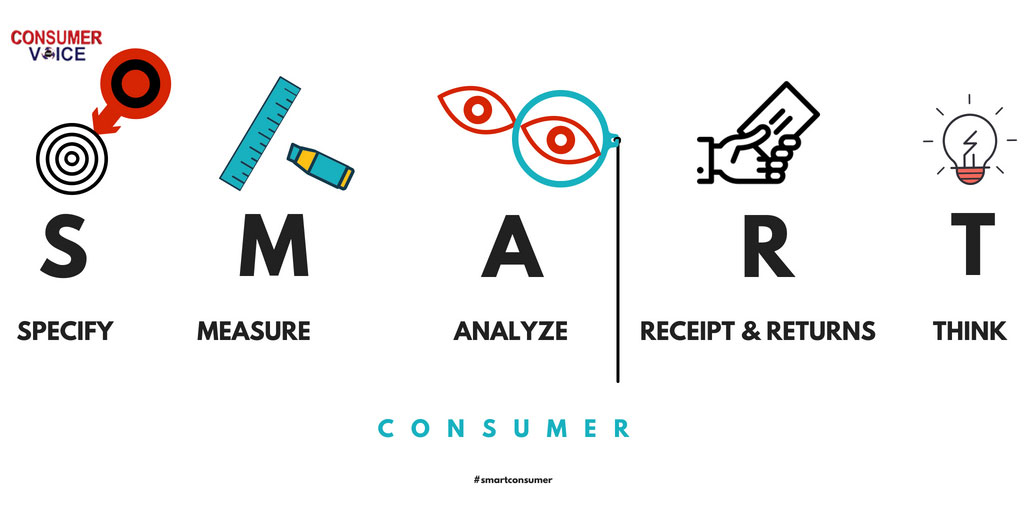
- ✅ Compare before buying: Don’t fall for the first option; check alternatives
- ✅ Always demand bills/invoices: Acts as legal proof if something goes wrong
- ✅ Check certifications: ISI, FSSAI, Hallmark, Eco-mark, Energy Star ratings
- ✅ Read product reviews and ratings carefully: Beware of fake reviews
- ✅ Verify before making advance payments: Especially in real estate and services
- ✅ Understand return, warranty, and refund policies: Especially online
- ✅ Track your credit reports: Protect yourself from identity theft
Responsibilities of an Informed Consumer
- Use products/services responsibly
- Report defective products, frauds, or malpractices
- Spread awareness within your community
- Read all contract terms, especially hidden clauses
- Avoid supporting black markets or counterfeit products
How to File a Complaint if Cheated
| Step | Details |
|---|---|
| 1. Contact Seller/Service Provider | Give them a chance to resolve |
| 2. File complaint with NCH | Call 1800-11-4000 or lodge online at www.consumerhelpline.gov.in |
| 3. Consumer Forum/Commission | Approach District, State, or National Commission based on claim value |
| 4. Use Integrated Grievance Redressal (INGRAM Portal) | https://consumerhelpline.gov.in |
Recent Additions to Consumer Protection (Digital Age Updates)
✅ Penalties on misleading ads and social media influencers
✅ Fake reviews crackdown by platforms like Amazon, Flipkart
✅ Product liability clause—Companies must compensate for harm caused by defective products
✅ Protection against unfair contracts (real estate, telecom, OTT platforms)
✅ E-commerce Guidelines 2020 for online buying safety
Conclusion: Awareness is Your Superpower
In a fast-changing digital market, being an informed consumer is your first line of defense. Knowledge about your rights, staying vigilant, and using available resources help you: ✔ Avoid financial loss
✔ Hold sellers accountable
✔ Get fair value for your money
✔ Safeguard your family from frauds
Remember: A consumer aware of their rights is a consumer nobody can exploit.
________________________________________________________________________________________________________________________________
.